HighLevel vs WordPress CRM: All-in-One Growth Engine or DIY Developer Stack?
If you’re a coder, freelancer, or SaaS founder, you’ve probably faced this decision:
Should you build your own CRM stack on WordPress with plugins, or use an all-in-one platform like HighLevel (GoHighLevel)?
On the surface, both can handle lead capture, automation, and client management. But in reality, they’re very different: HighLevel is a prebuilt SaaS toolkit, while WordPress is a flexible, open-source sandbox where you build what you need from plugins and custom code.
Here’s a breakdown tailored for coders and builders.
Quick Comparison Snapshot
| Feature | HighLevel | WordPress (CRM Plugins) |
|---|---|---|
| Core Focus | Funnels, automation, all-in-one marketing & CRM | Flexible CMS + CRM plugins (Groundhogg, FluentCRM, WP ERP, Jetpack CRM) |
| Pricing | $97–$497/mo (flat, unlimited users) | Hosting (~$10–$30/mo) + premium plugins ($200–$600/yr typical) |
| AI Tools | AI receptionist, chatbot, funnel builder | Depends on plugins (few native AI features) |
| Integrations | Limited unless higher-tier | Virtually unlimited (Zapier, APIs, plugin ecosystem) |
| Best Fit | Agencies, freelancers, SaaS resellers | Coders who want to customize deeply and own their stack |
Our Favorite CRM: Try GoHighLevel Risk Free
HighLevel: The Prebuilt Growth Engine
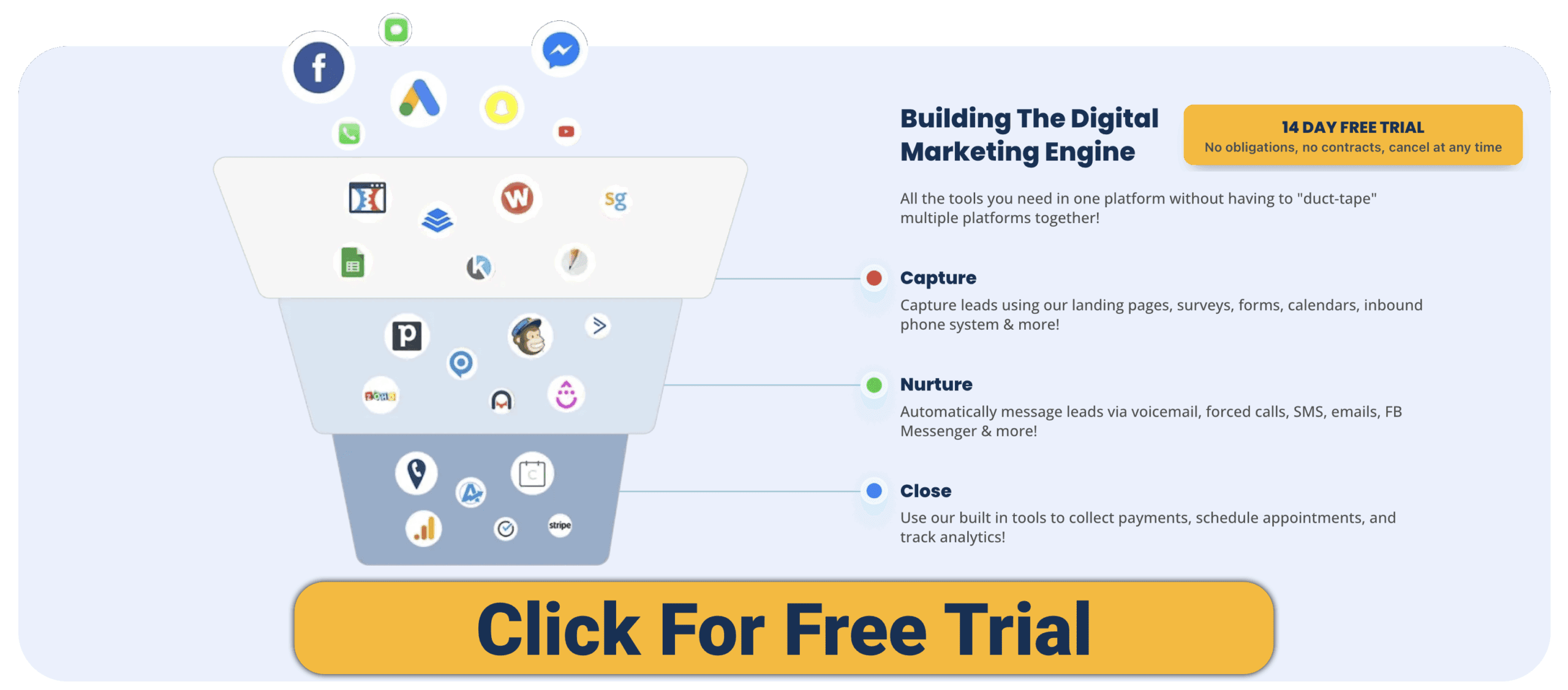
HighLevel is built to replace multiple tools at once. Instead of piecing together email, SMS, funnels, and booking plugins, you get it in one dashboard.
-
Funnels & Websites – Drag-and-drop funnel builder.
-
CRM & Pipelines – Deal tracking, lead management.
-
Multi-Channel Comms – SMS, email, Messenger, Instagram, voicemail drops.
-
Automations – Visual workflow builder.
-
AI Agents – Receptionist bot, chatbots, funnel-building AI.
-
White-Label SaaS – Resell HighLevel under your own brand.
For coders, HighLevel is attractive when you want to move fast without managing infrastructure.
WordPress: The DIY Developer Stack
WordPress isn’t a CRM out of the box — but with the right plugins, it can become one.
-
CRM Plugins – Groundhogg, FluentCRM, WP ERP, Jetpack CRM.
-
Email Marketing – Plugins like FluentCRM or MailPoet integrate directly.
-
Form Builders – Gravity Forms, WPForms, Fluent Forms for lead capture.
-
Automation – Uncanny Automator, AutomatorWP, or custom scripts.
-
Memberships/Courses – LearnDash, LifterLMS, MemberPress.
-
Custom Coding – Total freedom with PHP, REST API, or custom plugins.
For vibe coders, WordPress is a playground: you can build exactly what you need — but you’ll also need to maintain it.
Pros & Cons
HighLevel Pros
-
Out-of-the-box funnels, CRM, and automation.
-
Flat-rate pricing (no per-user charges).
-
White-label SaaS mode for reselling.
-
AI-driven client tools.
-
No plugin compatibility headaches.
HighLevel Cons
-
Limited integrations unless on higher tiers.
-
Less customizable than WordPress.
-
Generalist features may not go as deep as specialized tools.
WordPress Pros
-
Extreme flexibility (own and control your stack).
-
Huge plugin ecosystem (tens of thousands).
-
Lower base costs (especially for solo coders).
-
Full control over data (self-hosted).
-
Ideal for coders who love to tinker.
WordPress Cons
-
Plugins can conflict, break, or slow your site.
-
Requires maintenance, backups, and security hardening.
-
No white-label SaaS resell option out-of-the-box.
-
AI features are limited unless using 3rd-party tools.
Use Cases for Vibe Coders
-
Freelancers/Agencies → HighLevel makes sense for client onboarding, follow-ups, and reselling as SaaS. WordPress works if you want total control and low cost.
-
SaaS Founders → HighLevel gets you funnels and CRM fast; WordPress lets you build fully custom client portals with plugins.
-
Coders Who Automate → HighLevel = no-code automations out of the box. WordPress = infinite flexibility with APIs, Zapier, and PHP.
-
Productizers → HighLevel’s white-label mode gives you a SaaS in a box. WordPress requires building your own product stack.
What Users Say
-
HighLevel: Loved by agencies for replacing 6+ tools, but some find the interface overwhelming.
-
WordPress: Coders love the freedom but warn about plugin bloat and maintenance headaches.
Our Favorite CRM: Try GoHighLevel Risk Free
FAQs
Which is more coder-friendly?
WordPress — you can customize everything with code. HighLevel is better if you’d rather skip coding and ship.
Which is better for AI?
HighLevel has built-in AI tools. WordPress relies on third-party integrations.
Which is cheaper?
WordPress is cheaper at first but can get costly with premium plugins and dev time. HighLevel is more predictable with flat pricing.
Can I resell as SaaS?
HighLevel yes (white-label). WordPress requires heavy customization to turn into a SaaS.
Final Verdict
-
Choose HighLevel if you want a done-for-you growth platform with funnels, CRM, and automation baked in. Great for agencies, freelancers, and coders who want to resell SaaS.
-
Choose WordPress if you want a flexible DIY stack where you can code and customize everything — and you don’t mind maintaining it.
Bottom line: HighLevel is the growth engine, WordPress is the sandbox. Coders should choose based on whether they prefer to build or buy.
Want to see more comparisons? Check out our other posts on CRMs!
Download Your FREE
CRM Guidebook
Build, automate, and launch faster—see the CRMs Entrepreneurs and Agencies are switching to.
- ✅ Compare 9 top CRMs with pros, cons, and pricing all in one place
- ✅ Printable checklist & scorecard to find your perfect CRM
- ✅ Covers automation, follow-ups, reporting, integrations, and more
- ✅ Built for real businesses: solo founders, agencies, creators, and coders who want to scale